
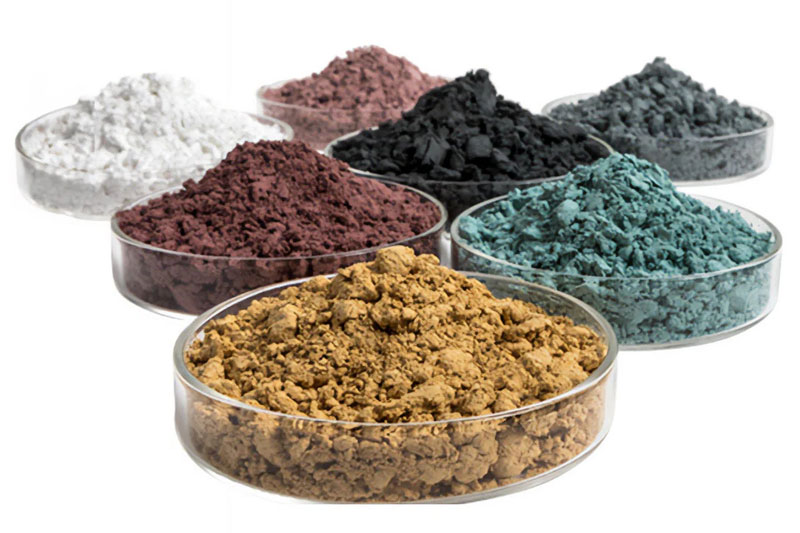
Pure PTFE has certain limitations, including relatively low wear resistance, high creep, and reduced mechanical strength under load.
To address these performance gaps, PTFE is often blended with fillers that significantly enhance its properties. These fillers enable PTFE to perform reliably in more demanding environments, improving characteristics such as dimensional stability, wear life, heat resistance, and load-bearing capability.
Below is a comprehensive introduction to eight common PTFE filler types widely used in engineering applications.
1. Glass Fiber Filler
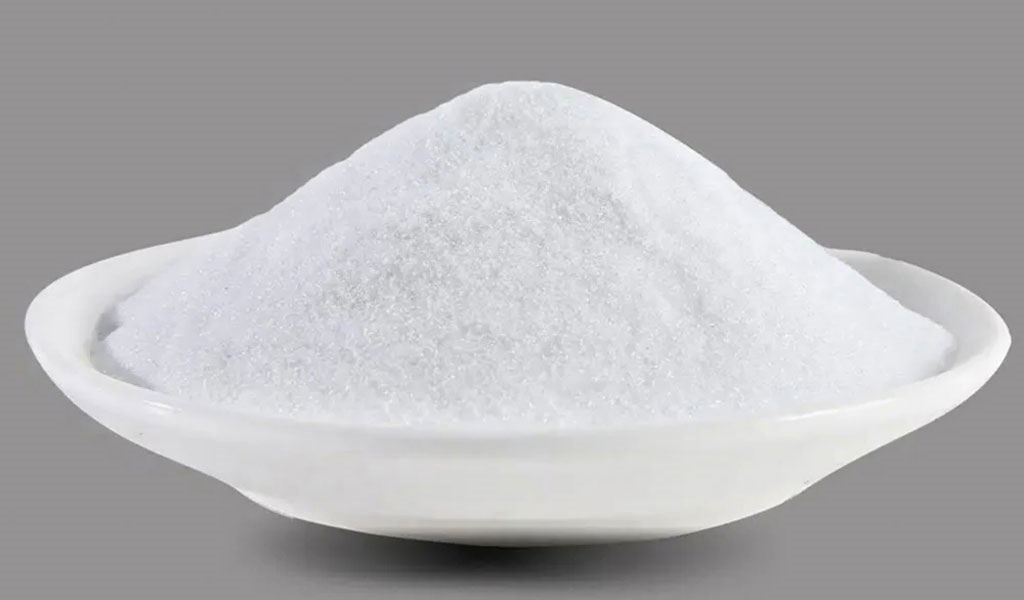
Glass fiber is one of the most common and cost-effective fillers for PTFE. It dramatically improves the material’s mechanical properties while maintaining its chemical resistance.
Key Benefits
- Enhanced Creep and Wear Resistance: Glass fibers increase PTFE’s compressive strength and reduce deformation under load.
- Improved Dimensional Stability: Ideal for parts requiring tight tolerances.
- Excellent Chemical Resistance: Glass fibers do not significantly impact PTFE’s inertness.
Typical Applications
- Valve seats
- Bearing pads
- Seals and gaskets used in corrosive or high-temperature environments
Glass-filled PTFE is often used in applications where structural support and durability are critical.
2. Carbon Filler
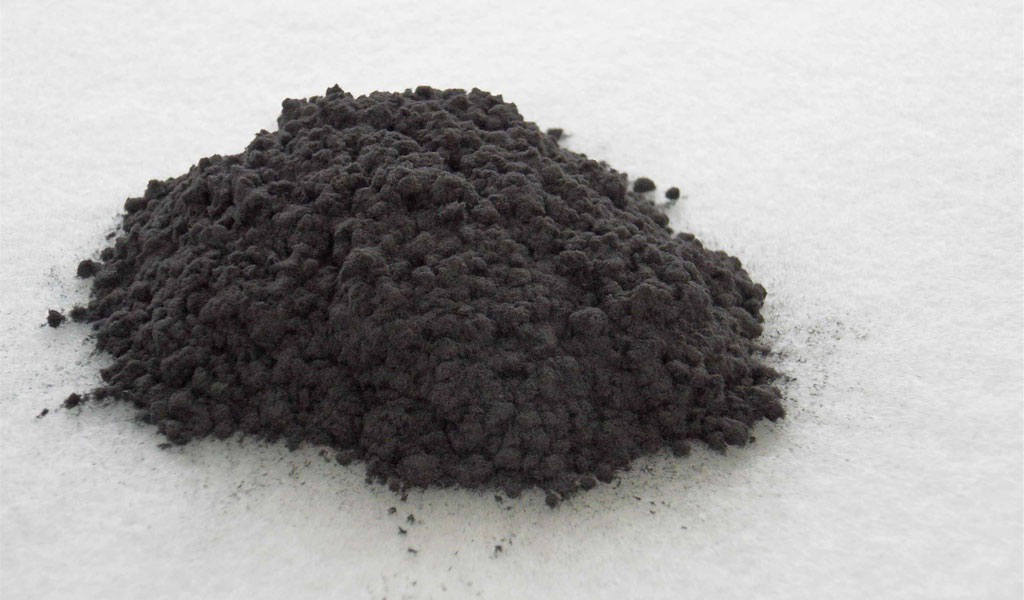
Carbon fillers (typically carbon powder or carbon fiber) enhance PTFE’s strength, conductivity, and wear performance.
Key Benefits
- Superior Wear and Load Resistance: Carbon improves hardness and reduces surface deformation.
- Lower Thermal Expansion: Helps maintain stability in applications involving temperature fluctuations.
- Improved Thermal and Electrical Conductivity: Useful where static dissipation or heat transfer is required.
Typical Applications
- High-load bearings
- Compressor rings
- Electrical components requiring anti-static properties
Carbon-filled PTFE is widely used in dynamic mechanical applications where low friction and long service life are essential.
3. Graphite Filler
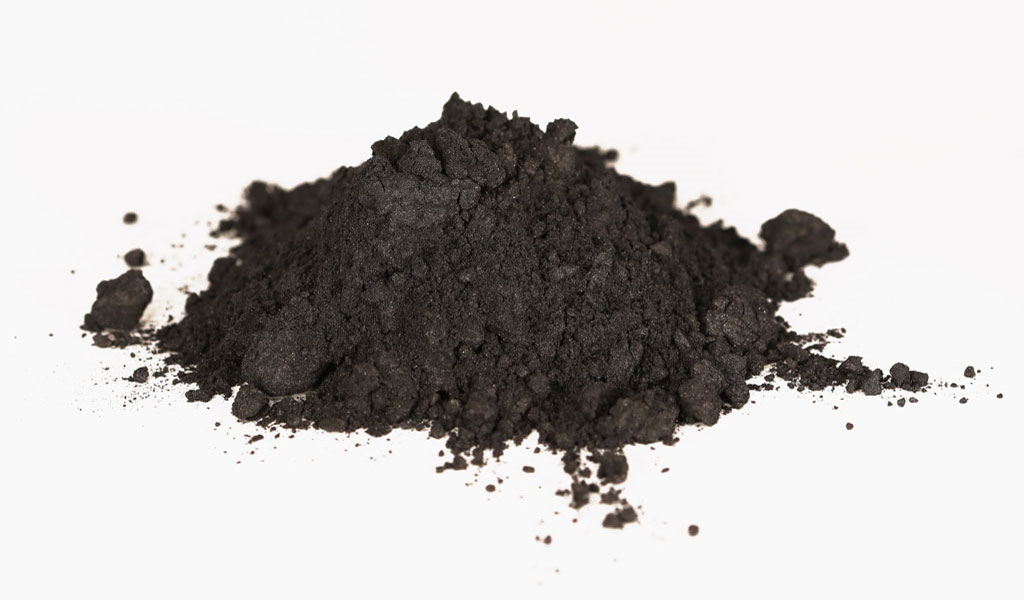
Graphite is a solid lubricant known for its excellent self-lubricating and anti-friction properties.
Key Benefits
- Outstanding Low Friction: Even lower than pure PTFE in many applications.
- High PV (Pressure-Velocity) Resistance: Excellent in sliding or rotating motion.
- Good Thermal Conductivity: Helps dissipate heat generated during motion.
Typical Applications
- Wear rings and bushings
- Sliding plates
- Pump components
Graphite-filled PTFE is especially suitable for applications involving continuous sliding, where heat generation and lubrication are concerns.
4. Molybdenum Disulfide (MoS₂) Filler
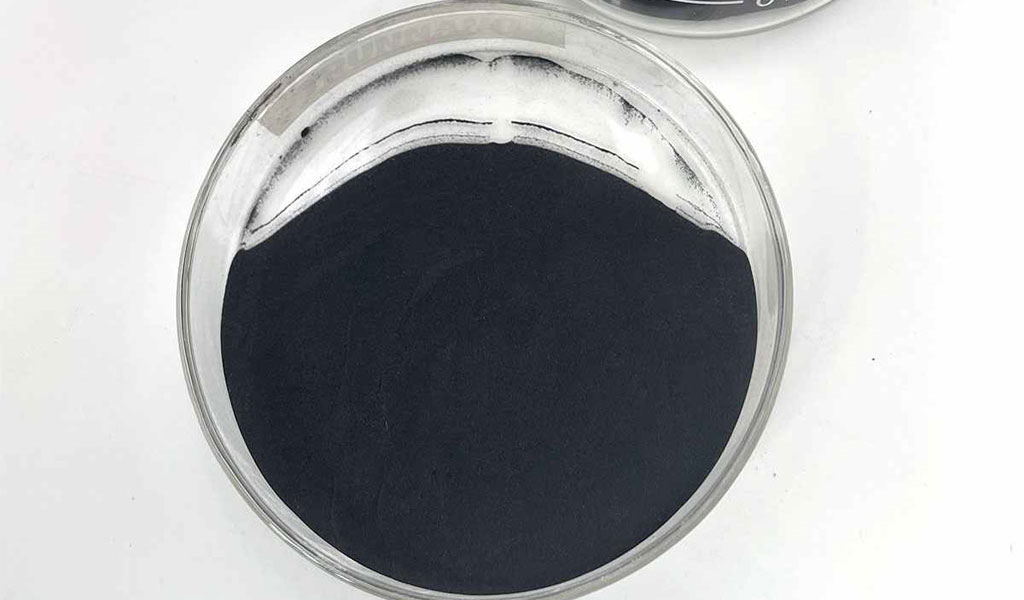
Molybdenum Disulfide (MoS₂) is another common solid lubricant used to enhance PTFE’s wear performance.
Key Benefits
- Higher Hardness and Compressive Strength: Compared to many other fillers.
- Improved Wear Life: Particularly effective under dynamic conditions with moderate loads.
- Better Coefficient of Friction: Provides smoother movement under load.
Typical Applications
- Precision bearings
- Industrial sliding components
- Wear strips and guide rings
MoS₂-filled PTFE is ideal where a combination of lubrication, wear resistance, and improved structural strength is required.
5. Mineral Filler
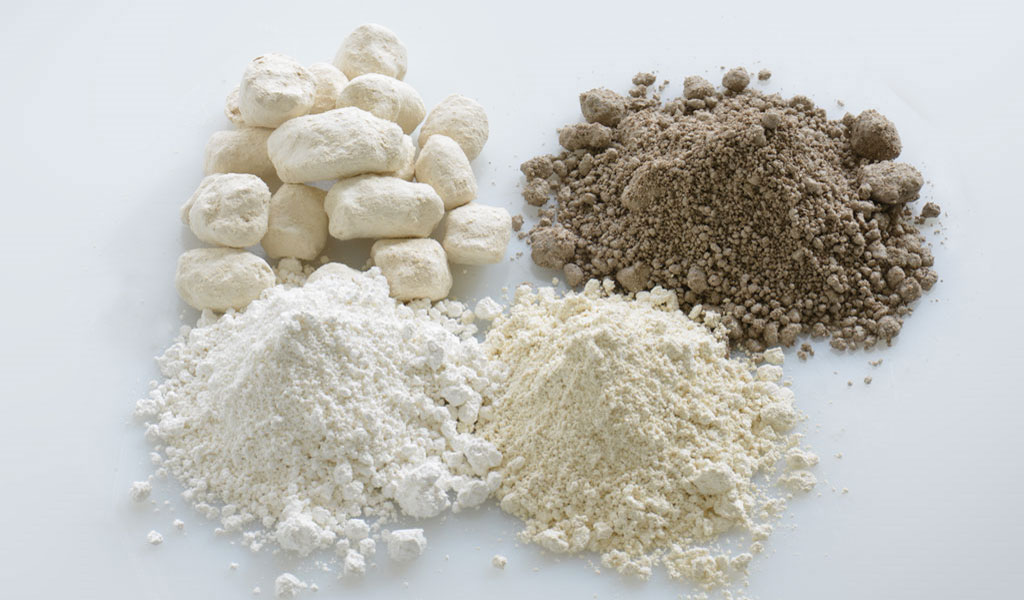
Mineral fillers typically include silica, clay, or other fine non-reactive minerals tailored for specific mechanical reinforcement needs.
Key Benefits
- Improved Wear Characteristics: Without significantly increasing hardness.
- Enhanced Dimensional Stability: Better resistance to creep and cold flow.
- Chemically Inert: Retains excellent PTFE corrosion resistance.
Typical Applications
- Components in chemical processing equipment
- Valves and seals exposed to aggressive media
- Structural components requiring stability under pressure
Mineral-filled PTFE is chosen for applications where a balanced improvement in mechanical strength and chemical resistance is desired.
6. Polyester Filler
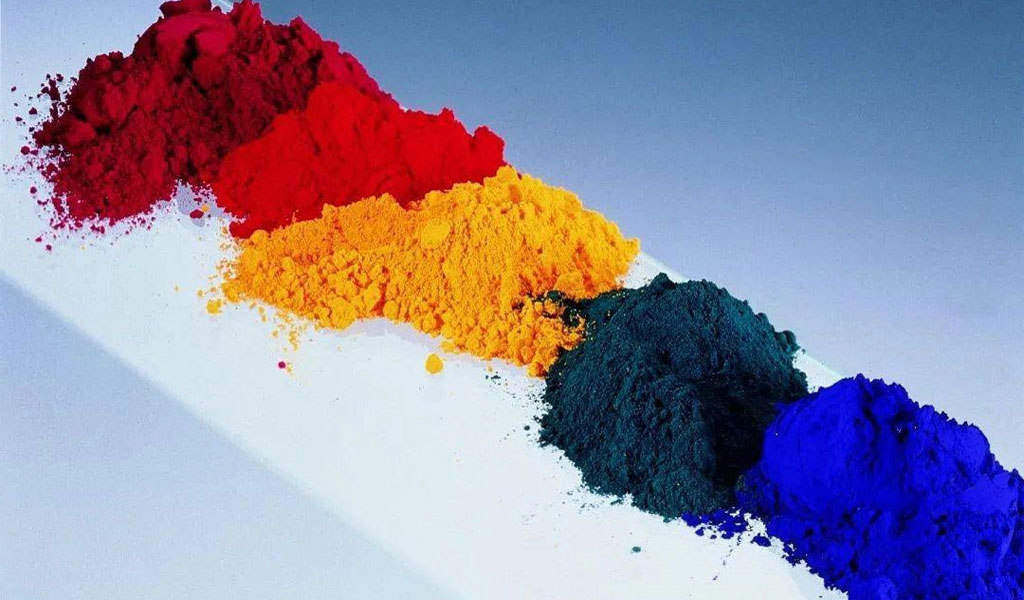
Polyester fibers or powders are used to give PTFE a softer, more flexible reinforcement profile compared with metals or minerals.
Key Benefits
- Enhanced Wear Resistance: Particularly when running against softer mating surfaces.
- Reduced Abrasion: Prevents damage to counter faces compared with harder fillers.
- Improved Flex Fatigue Resistance: Suitable for reciprocating motion.
Typical Applications
- Low-pressure dynamic seals
- Soft-surface pumps
- Automotive components requiring low abrasion
Polyester-filled PTFE is often used in industries where both the PTFE part and the counterpart surface must be protected from wear.
7. Bronze Filler
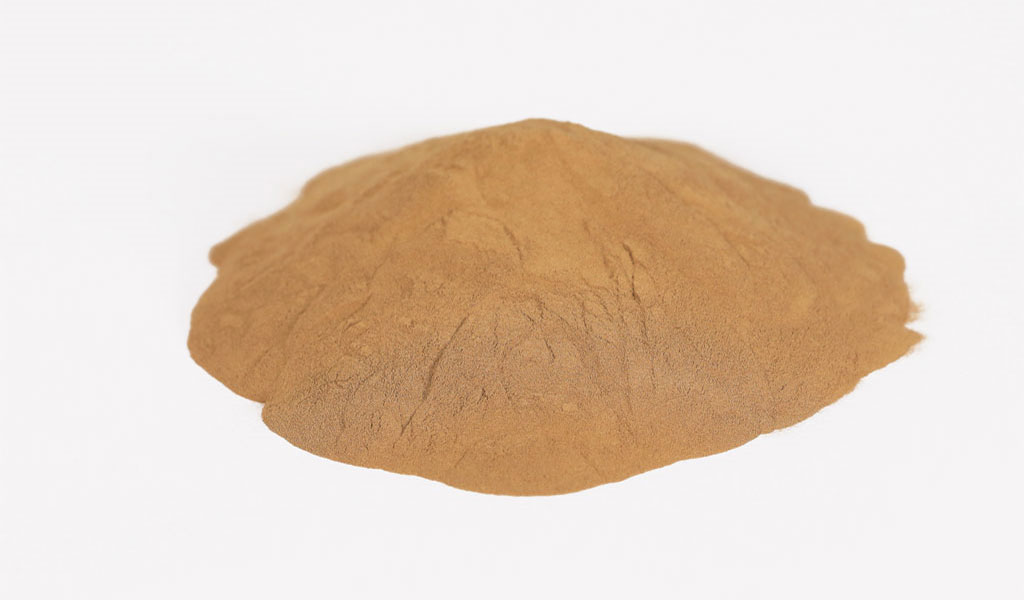
Bronze powder provides one of the highest levels of mechanical reinforcement among PTFE fillers.
Key Benefits
- High Thermal Conductivity: Excellent for dissipating heat in moving parts.
- Exceptional Load-Bearing Capability: Bronze significantly increases compressive strength.
- Improved Creep and Wear Resistance: Ideal for heavily loaded mechanical systems.
Typical Applications
- High-speed bearings
- Hydraulic piston rings
- Compressor components and sliding pads
Bronze-filled PTFE is widely used in high-load, high-speed, and high-temperature environments.
8. Polyimide Filler
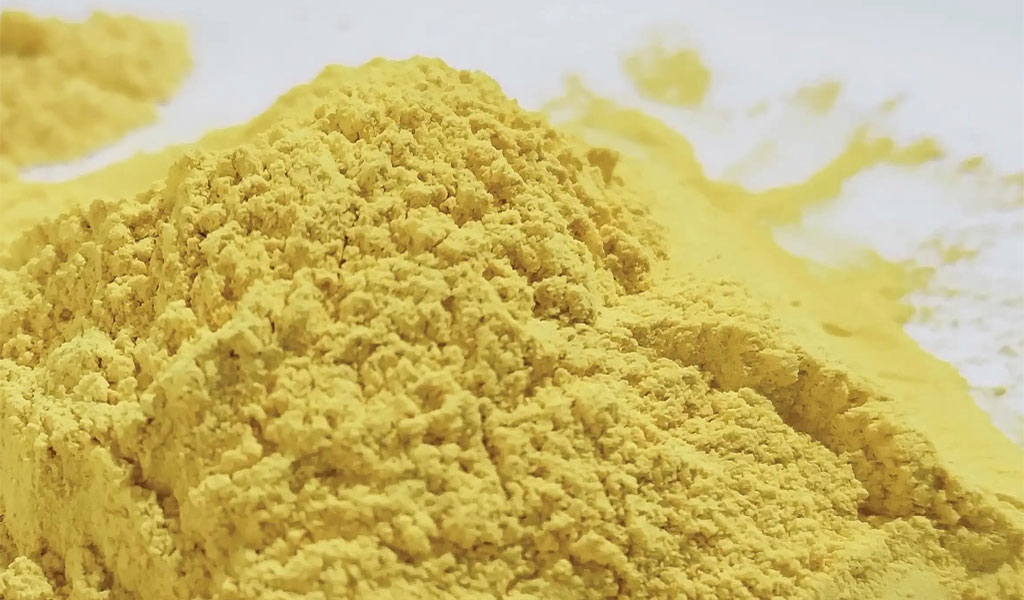
Polyimide is an advanced polymer known for its exceptional thermal and mechanical stability.
Key Benefits
- Excellent Wear Performance: Especially in dry-running conditions where lubrication is minimal.
- High Temperature Resistance: Suitable for extreme environments.
- Low Abrasion on Mating Surfaces: Protects counterpart materials.
Typical Applications
- Aerospace bushings
- Dry-running seals and rings
- Semiconductor processing components
Polyimide-filled PTFE is typically used in demanding applications where both wear life and precision performance are critical.
Conclusion
Selecting the right PTFE filler is essential for optimizing performance in applications that demand improved wear resistance, load capacity, thermal conductivity, or dimensional stability. Each filler—whether glass, carbon, graphite, MoS₂, minerals, polyester, bronze, or polyimide—brings unique advantages that customize PTFE for specific operational challenges.
As a manufacturer of PTFE finished and semi-finished products, we help customers choose the most suitable filler combinations based on their performance requirements, operating conditions, and budget considerations.