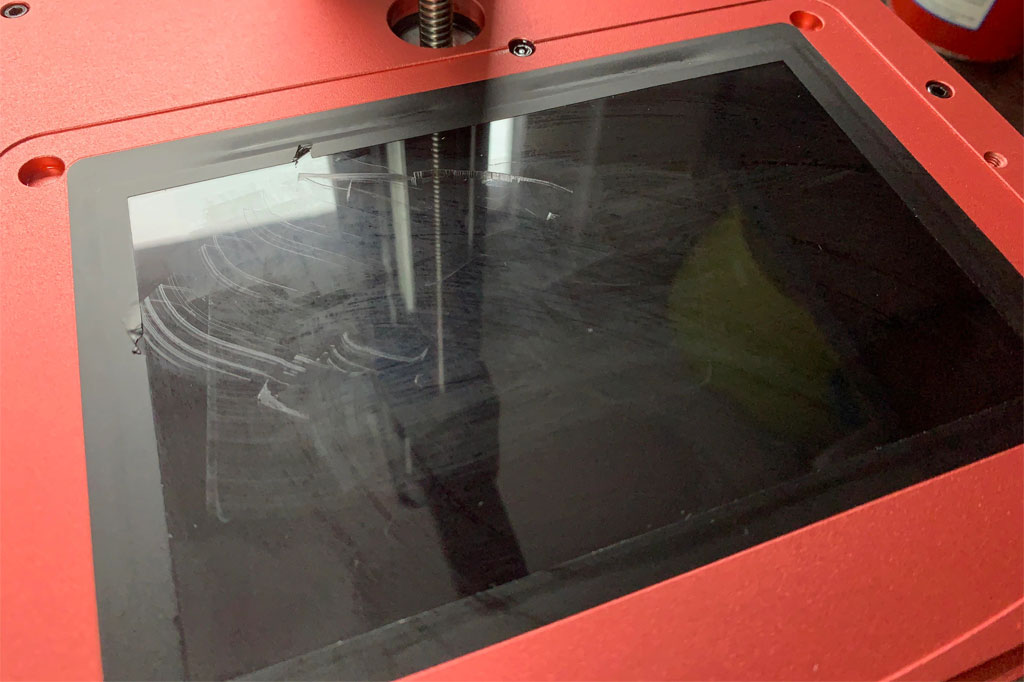
Common FEP Film Problems in 3D Printing

6 Common FEP Film Problems in 3D Printing and How to Fix Them

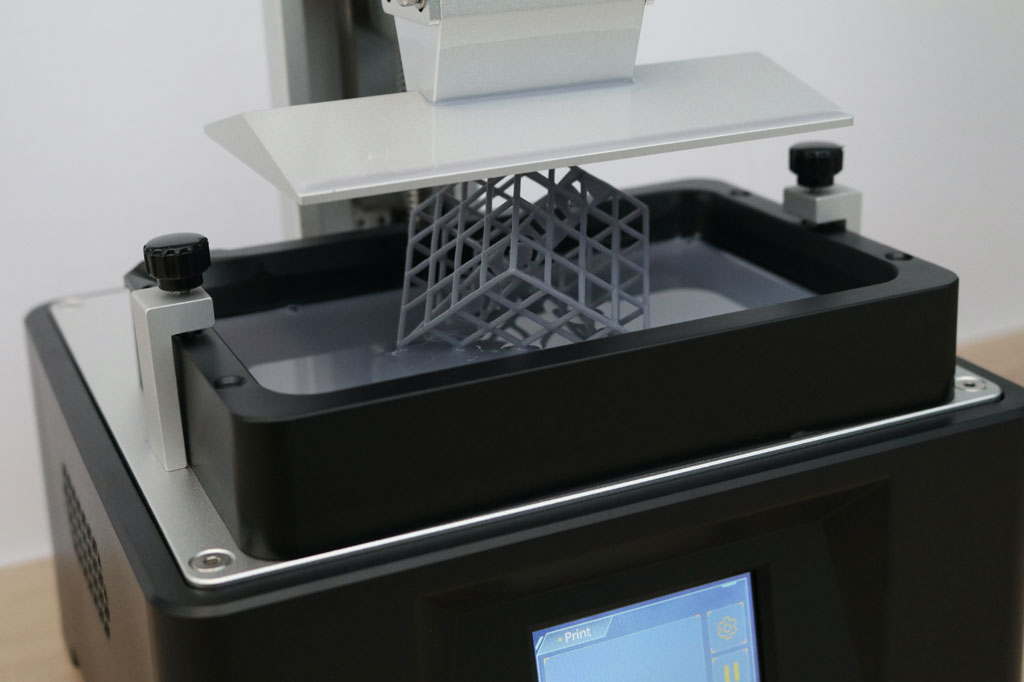
FEP (Fluorinated Ethylene Propylene) film plays a crucial role in resin-based 3D printing, particularly in SLA (Stereolithography) and MSLA (Masked Stereolithography) printers. It acts as a non-stick layer between the cured resin and the bottom of the resin vat, allowing prints to release cleanly. Despite its critical function, FEP film can develop issues over time, […]

6 Common FEP Film Problems in 3D Printing and How to Fix Them Read More »
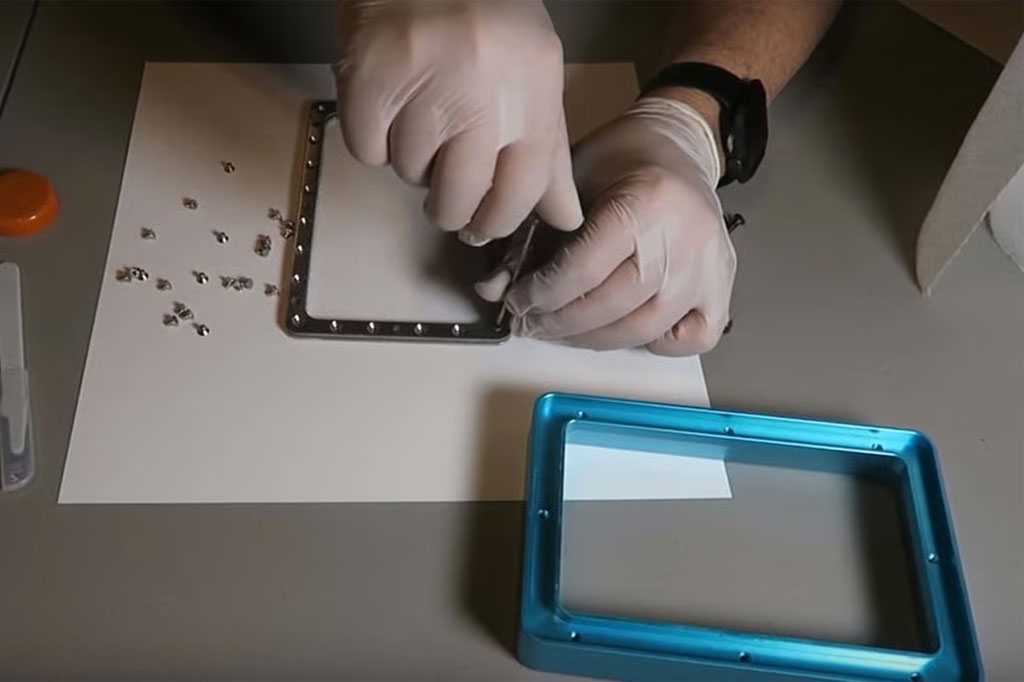
How to Replace FEP Film on Your Resin Printer

How to Replace FEP Film on Your Resin Printer (Step-by-Step Guide)

Resin 3D printers rely on FEP (Fluorinated Ethylene Propylene) film as the transparent, non-stick layer between the UV light source and the liquid resin. Over time, the FEP film can become scratched, cloudy, or punctured, which leads to print failures and poor quality results. Fortunately, replacing it is a straightforward process if you follow the

How to Replace FEP Film on Your Resin Printer (Step-by-Step Guide) Read More »

Best FEP Film Thickness for 3D Printing

Which Thickness FEP Film Works Best for Your 3D Printer?

In resin-based 3D printing, FEP (Fluorinated Ethylene Propylene) film plays a critical role in achieving accurate prints and prolonging printer lifespan. Acting as a release layer between the resin vat and the UV light source, the thickness of PEP film directly impacts print quality, durability, and ease of removal. Choosing the right thickness can make

Which Thickness FEP Film Works Best for Your 3D Printer? Read More »

FEP vs nFEP vs ACF Films

FEP, nFEP (PFA), or ACF Films: Which Is Better for 3D Printing?

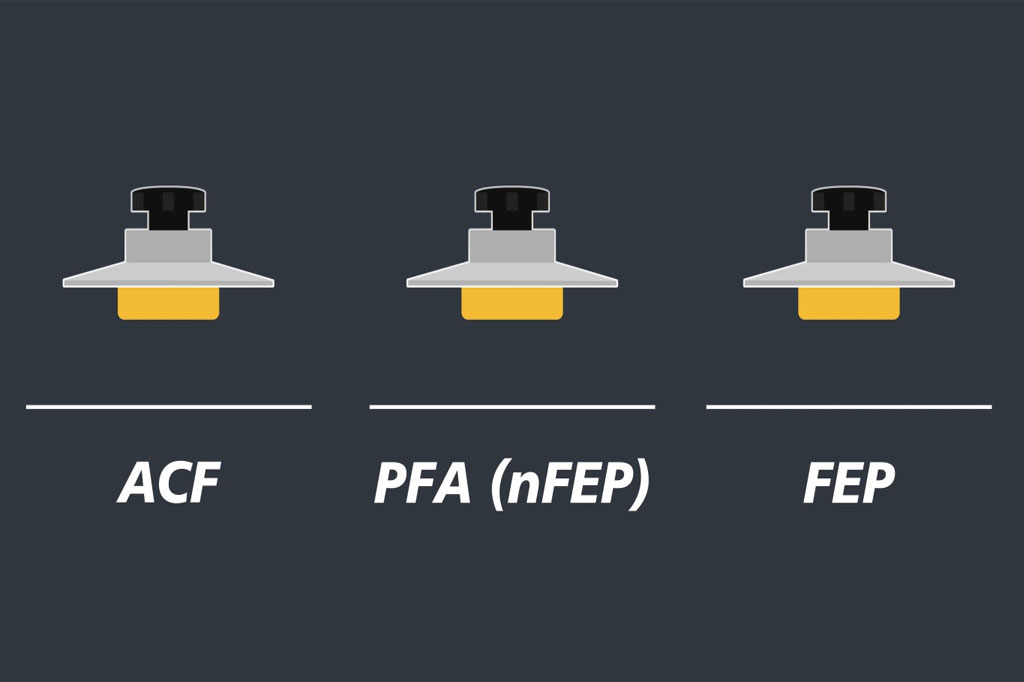
When it comes to resin-based 3D printing, the choice of build surface or film at the bottom of the resin vat plays a critical role in print quality, durability, and maintenance. Three of the most commonly used materials are FEP (Fluorinated Ethylene Propylene) film, nFEP (also called PFA) film, and ACF (Anti-Corrosion Fluoropolymer) film. While

FEP, nFEP (PFA), or ACF Films: Which Is Better for 3D Printing? Read More »

PTFE vs. Rubber Fuel Hoses

PTFE vs. Rubber Fuel Hoses: Which is Better for Automotive Applications?

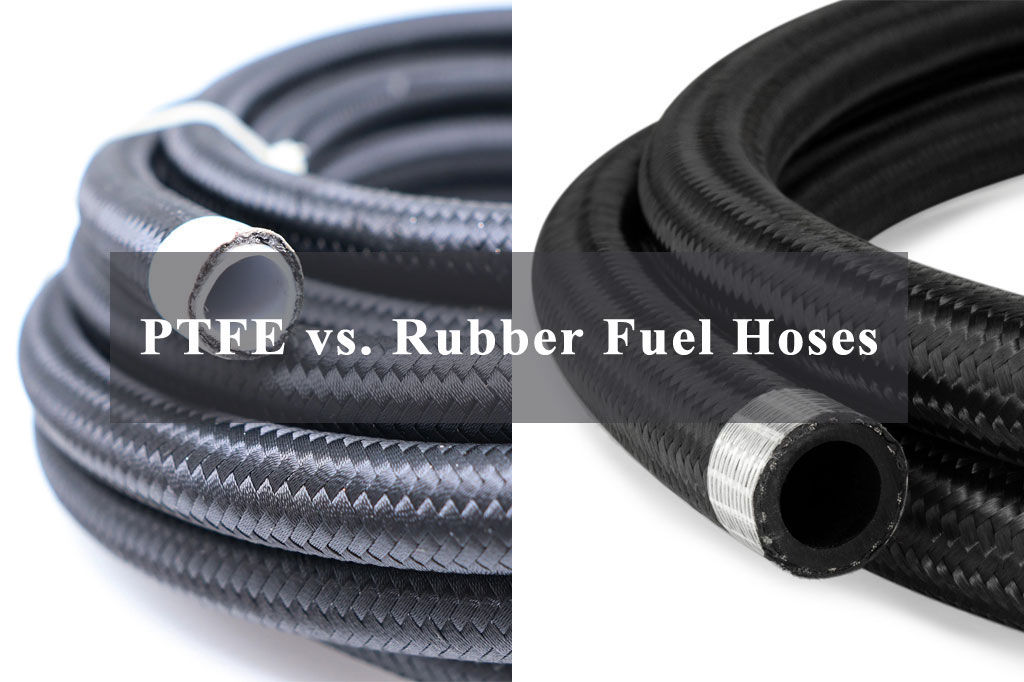
Fuel hoses play a critical role in the performance, safety, and efficiency of automotive systems. They carry gasoline, diesel, or other fuels from the tank to the engine while withstanding pressure, temperature fluctuations, and exposure to chemicals. Traditionally, rubber fuel hoses have been the go-to choice for most vehicles. However, PTFE fuel hoses have gained

PTFE vs. Rubber Fuel Hoses: Which is Better for Automotive Applications? Read More »

PTFE Capillary Tubing in Medical Industry

Applications of PTFE Capillary Tubing in the Medical Industry

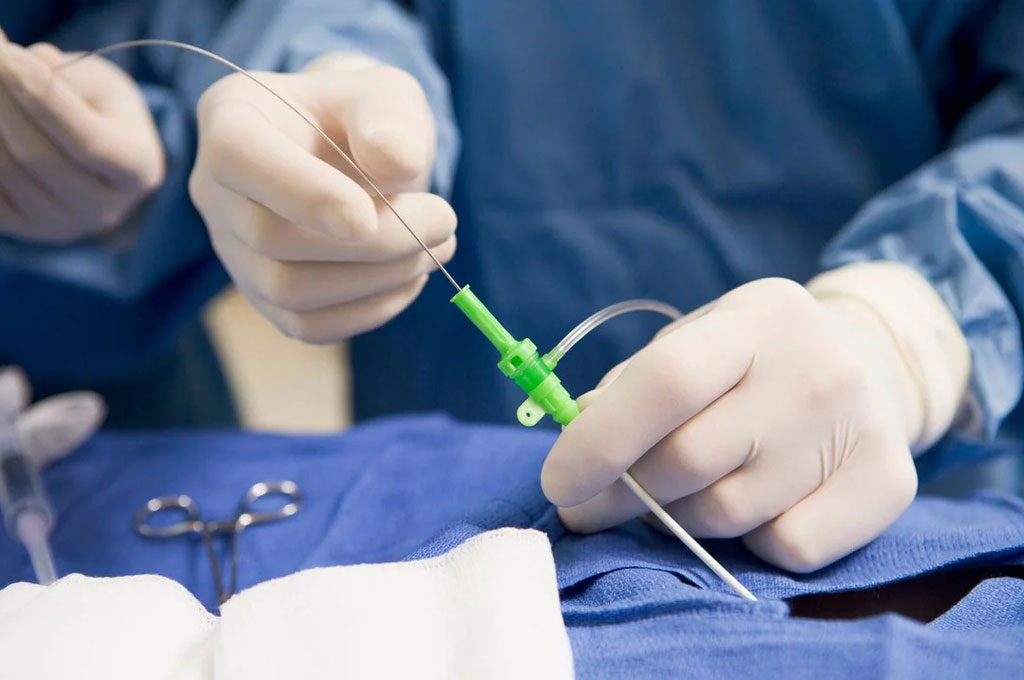
In the medical industry, where reliability, biocompatibility, and precision are paramount, PTFE (Polytetrafluoroethylene) capillary tubing has emerged as a critical component in a wide range of devices and systems. Its unique combination of chemical inertness, flexibility, thermal resistance, and biocompatibility allows it to meet the demanding standards of modern healthcare applications. This article explores the

Applications of PTFE Capillary Tubing in the Medical Industry Read More »

PTFE Capillary Tubing in Semiconductor Manufacturing Processes

PTFE Capillary Tubing in Semiconductor Manufacturing Processes

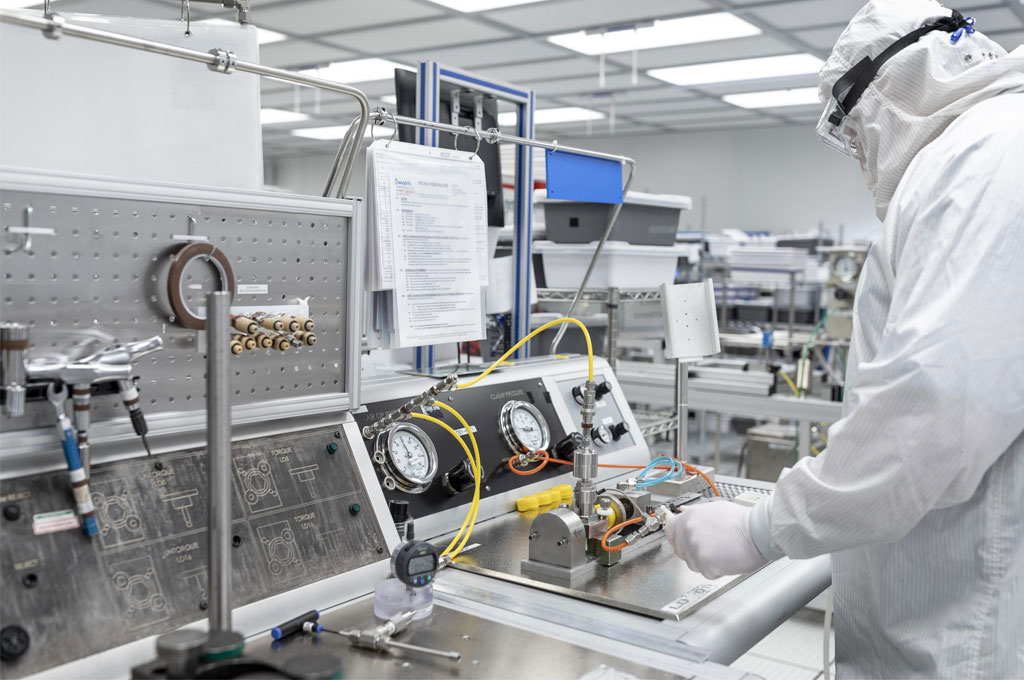
The semiconductor industry demands ultra-clean, chemically resistant, and precisely engineered components to ensure reliable manufacturing at micro and nanoscales. Among these components, PTFE (Polytetrafluoroethylene) capillary tubing plays a critical role in fluid transfer, chemical delivery, and process control. 1. Introduction to PTFE Capillary Tubing PTFE capillary tubing is a narrow-bore tubing made from pure polytetrafluoroethylene,

PTFE Capillary Tubing in Semiconductor Manufacturing Processes Read More »

Chromatography PTFE Capillary Tubing

PTFE Capillary Tubing in Chromatography

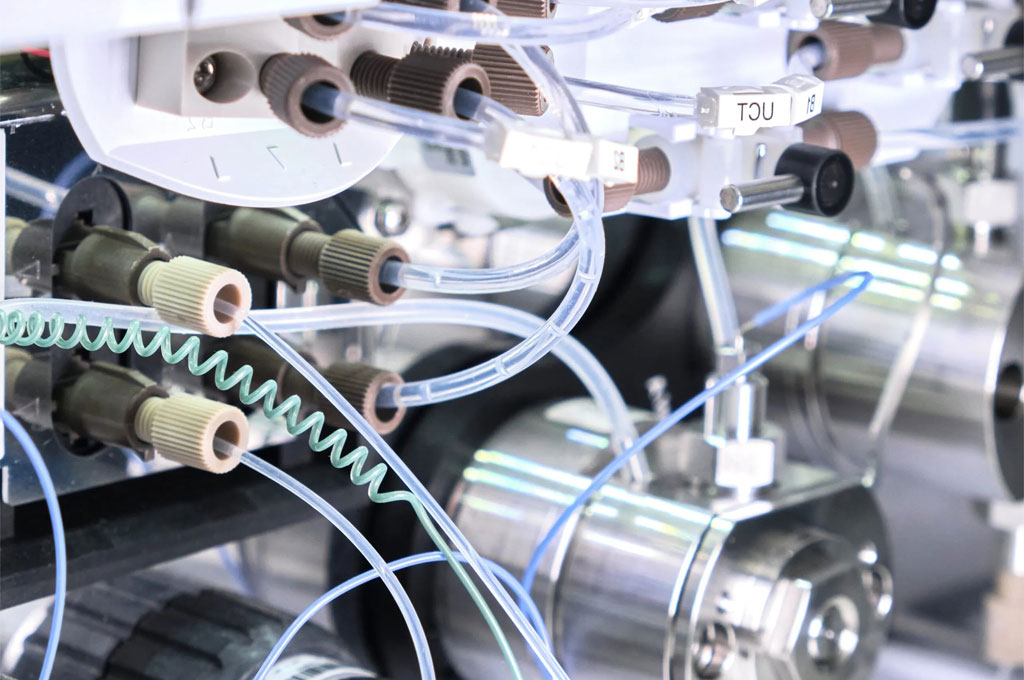
Polytetrafluoroethylene (PTFE) capillary tubing has become a vital component in modern chromatography systems due to its exceptional chemical resistance, low surface energy, and smooth internal bore. Whether dealing with aggressive solvents, delicate biomolecules, or high-purity requirements, PTFE capillary tubing offers the inertness and durability necessary to maintain system integrity and accuracy. Its versatility makes it

PTFE Capillary Tubing in Chromatography Read More »

PTFE Tubing Braiding Materials

6 Common Braiding Materials for Reinforced PTFE Tubing

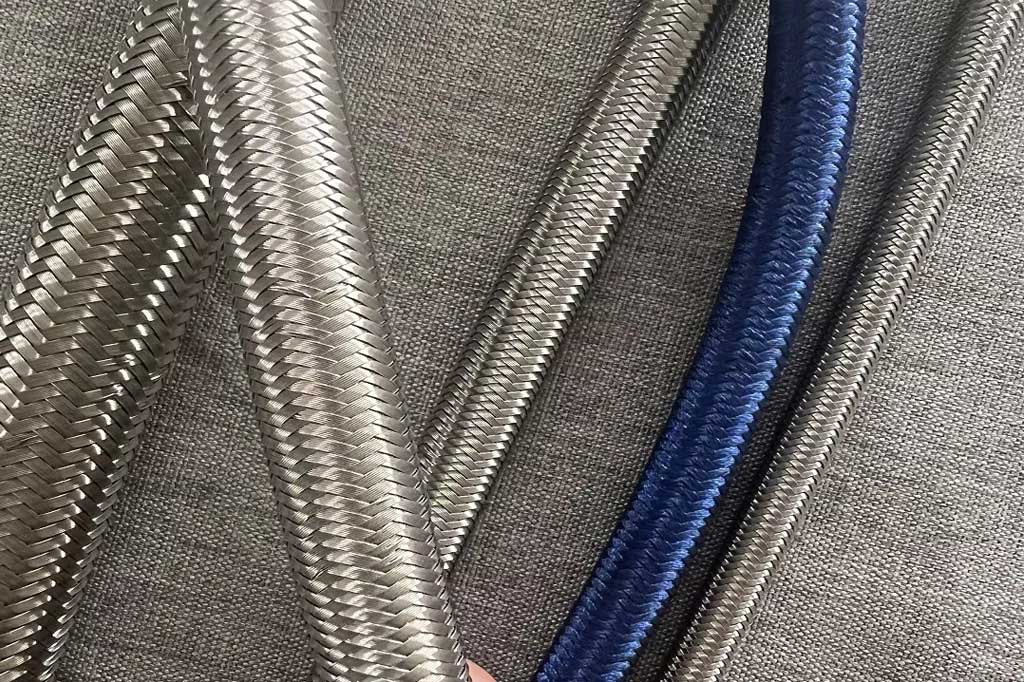
To enhance its mechanical strength, pressure resistance, and flexibility, PTFE tubing is often reinforced with braiding materials, such as stainless steel, polyester, fiberglass, aramid fiber, nylon, etc. These materials serve as a support layer, helping the tubing withstand higher internal pressures and resist kinking or deformation under dynamic conditions. In this article, we will explore

6 Common Braiding Materials for Reinforced PTFE Tubing Read More »

Heat Sources for Shrinking PTFE Tubing

Recommended Heat Sources for Shrinking PTFE Tubing

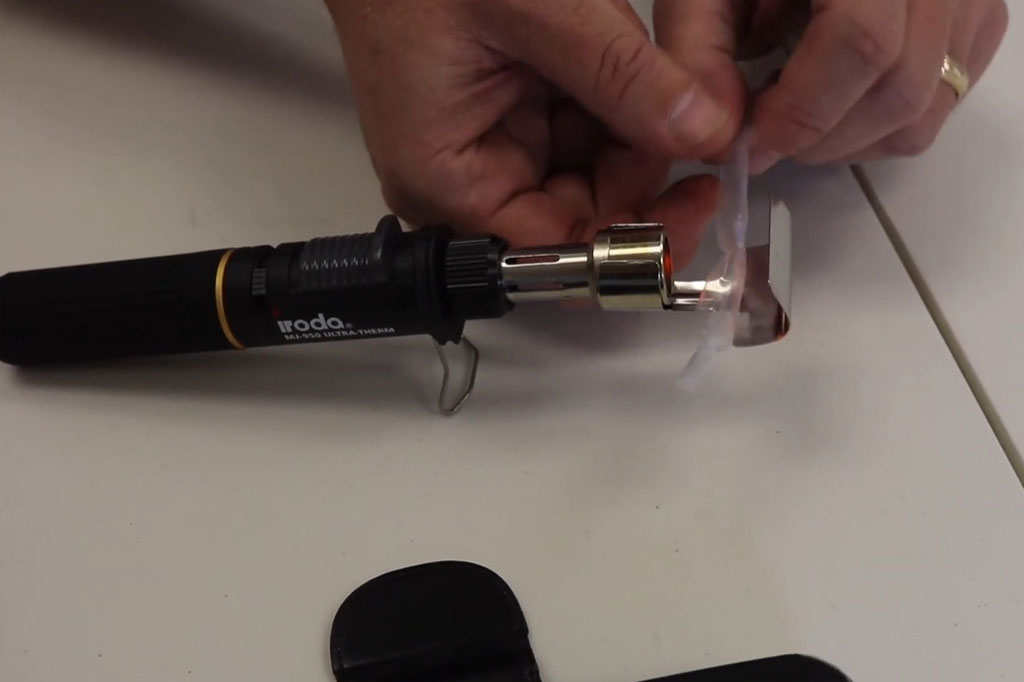
Shrinking PTFE tubing requires specific heat sources due to its high shrink temperature – typically between 320°C and 360°C (608°F to 680°F). Selecting the correct heat source ensures consistent results, prevents damage to components, and maximizes product lifespan. Why Heat Source Matters for PTFE Shrinking Tubing? PTFE heat shrinking tubing is not like polyolefin or

Recommended Heat Sources for Shrinking PTFE Tubing Read More »